Matter 1.5 in 2026: What Is Really Changing for Cameras, Sensors, Energy Monitoring and Home Automation
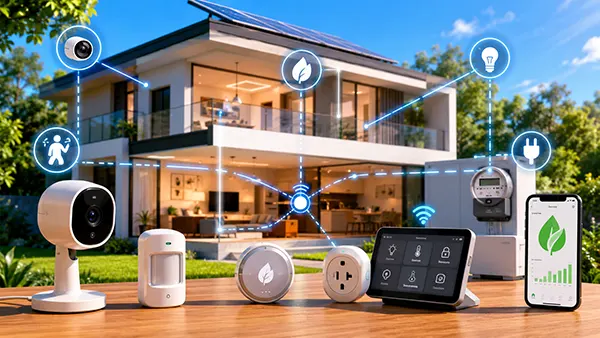
By 2026, Matter has moved beyond being a promising smart home standard and has become a practical framework used by major device manufacturers. The release of Matter 1.5 continues this development by improving interoperability between products from different brands and expanding support for device categories that previously relied on proprietary ecosystems. For homeowners, installers and technology enthusiasts, the most significant changes involve connected cameras, environmental sensors, energy management tools and increasingly sophisticated automation scenarios.
Expanded Device Support Makes Smart Homes More Practical
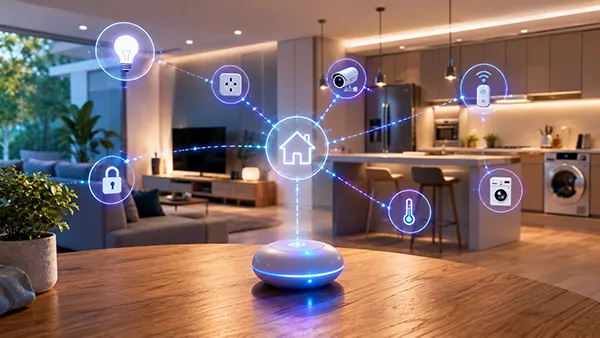
One of the most important developments in Matter 1.5 is broader support for device types that previously required dedicated applications or manufacturer-specific hubs. This allows users to combine products from different brands while maintaining a consistent control experience through compatible smart home systems.
Environmental monitoring devices benefit particularly from these improvements. Air quality sensors, temperature sensors, humidity monitors and occupancy detectors can now share information more efficiently across connected ecosystems. Instead of maintaining separate dashboards for different brands, users gain a unified view of household conditions.
Manufacturers also benefit from reduced development complexity. Rather than building and maintaining integrations for numerous ecosystems individually, companies can focus on Matter compatibility. This reduces fragmentation and helps consumers avoid being locked into a single vendor when expanding their smart home setup.
Why Sensor Integration Has Become More Valuable
Modern smart homes rely heavily on contextual information. Sensors provide the data needed for intelligent decisions, whether that involves adjusting ventilation, controlling heating systems or activating security functions when movement is detected.
Matter 1.5 improves communication consistency between sensor categories. Occupancy information from one brand can trigger actions on lighting products from another manufacturer without requiring complex cloud-based integrations. This creates faster response times and greater reliability.
The standard also supports richer data exchange. Instead of simply reporting whether a condition exists, sensors can provide more detailed information that automation engines can use when creating advanced routines. As a result, smart homes become more responsive to real-world conditions rather than relying on fixed schedules.
Energy Monitoring Becomes a Core Feature
Energy management has become a major priority for homeowners due to rising electricity costs and growing interest in sustainability. Matter 1.5 addresses this trend by improving support for energy-related data sharing across connected devices.
Compatible smart plugs, appliances and energy-monitoring products can now provide more standardised consumption information. This allows users to analyse electricity usage through a central interface instead of consulting multiple applications from different manufacturers.
The ability to compare energy consumption across various devices creates opportunities for optimisation. Users can identify inefficient appliances, monitor standby power usage and better understand how household activities affect electricity demand throughout the day.
How Matter 1.5 Supports Smarter Energy Decisions
One practical benefit involves automation based on energy consumption data. Smart homes can react to changing electricity usage patterns and adjust device behaviour automatically according to predefined rules.
For example, energy-intensive appliances can be scheduled to operate during periods of lower demand. Smart thermostats may coordinate with occupancy sensors and energy-monitoring devices to reduce unnecessary heating or cooling when rooms are not being used.
As energy suppliers increasingly introduce dynamic pricing programmes, standardised access to energy data becomes even more important. Matter 1.5 provides a foundation that allows future services to interact more effectively with connected homes while maintaining interoperability across manufacturers.
Cameras and Automation Gain New Opportunities
Connected cameras remain one of the most requested areas for expansion within the Matter ecosystem. While video management often continues to involve manufacturer-specific services, Matter 1.5 improves integration between cameras and other smart home devices.
Security events can be shared more effectively across the home automation environment. Motion detected by a camera may activate lights, trigger notifications or interact with other compatible devices without requiring separate integration layers.
This approach simplifies deployment while improving reliability. Instead of depending entirely on cloud services to coordinate actions between devices, many interactions can occur more directly within the smart home environment.
The Future of Home Automation After Matter 1.5
Home automation is gradually shifting from simple scheduled actions toward context-aware decision making. Devices can combine information from sensors, cameras, energy systems and user preferences to create more intelligent responses.
Matter 1.5 contributes to this transition by ensuring that data generated by different products can be understood consistently across supported ecosystems. This reduces compatibility issues that historically limited automation possibilities.
Looking ahead, the significance of Matter 1.5 lies less in individual features and more in the growing maturity of the smart home industry. As adoption expands throughout 2026, homeowners gain greater freedom to choose devices based on functionality and value rather than ecosystem restrictions, making connected homes more flexible, scalable and practical for long-term use.