New Laptop Processors in 2026: Energy Efficiency, AI and Battery Life
Laptop processors in 2026 are becoming more focused on balance rather than simply increasing raw performance. Manufacturers such as Intel, AMD and Qualcomm are developing chips that combine stronger computing power with lower energy consumption, improved artificial intelligence features and longer battery life. Modern laptops are expected to handle everyday work, creative tasks and AI-based applications while remaining thin, quiet and efficient.
How Laptop Processors Are Changing in 2026
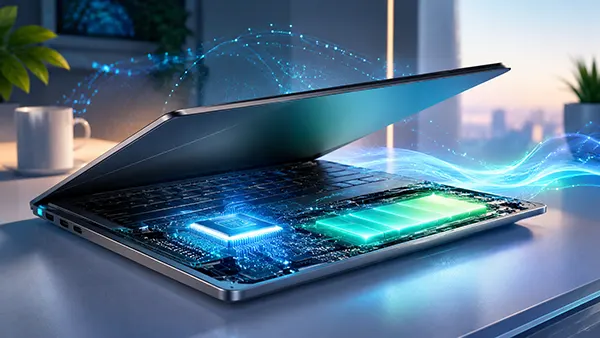
The main direction of laptop processor development in 2026 is improved efficiency. Instead of focusing only on higher clock speeds, chip manufacturers are working on smarter designs that use power more effectively. New generations of processors are built to provide enough performance when users need it while reducing energy use during lighter tasks such as browsing, writing documents or watching videos.
Intel continues developing its Core Ultra family with a stronger focus on hybrid architectures that combine different types of processing cores. This approach allows laptops to assign demanding workloads to powerful cores while using efficient cores for background activities. As a result, users can expect better battery performance without losing responsiveness.
AMD is also continuing to improve its Ryzen mobile processors, combining strong CPU performance with integrated graphics and advanced power management. These improvements are especially important for thin laptops, where manufacturers have limited space for cooling systems and larger batteries.
The Role of AI Features in Modern Laptop Chips
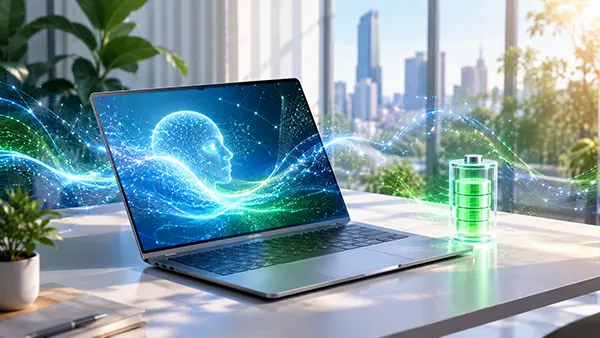
Artificial intelligence has become one of the main areas of innovation in laptop processors. In 2026, many new chips include dedicated neural processing units (NPUs) designed to handle AI-related tasks directly on the device. This reduces the need to rely on external services and helps applications work faster.
AI acceleration can improve many everyday activities. For example, video calls can benefit from background effects, noise reduction and automatic image adjustments, while creative software can use AI tools for editing and content generation. These features are becoming common in premium and business laptops.
The development of AI processors does not mean that every task requires artificial intelligence. Instead, the goal is to provide additional capabilities when they are useful while keeping traditional computing performance stable. This makes laptops more flexible for different types of users.
Energy Efficiency and Longer Battery Life
Battery life remains one of the most important factors when choosing a laptop, and processor efficiency plays a major role in this area. In 2026, manufacturers are improving chip designs to reduce power consumption during everyday use. Better efficiency allows laptops to operate for longer periods without increasing battery size.
Modern processors achieve this through improved manufacturing processes, smarter power distribution and better cooperation between hardware components. When a laptop performs simple tasks, the processor can reduce energy use automatically. When a user launches demanding software, additional performance becomes available.
For many users, these improvements mean fewer charging interruptions during work or study. Longer battery life is especially valuable for people who travel frequently, work remotely or use laptops in locations where access to power is limited.
Performance Improvements Without Excessive Power Use
One of the biggest challenges for processor manufacturers is creating chips that deliver higher performance without generating too much heat. Excessive power consumption can reduce battery life and require stronger cooling solutions, which affects laptop size and weight.
New processors are designed to manage workloads more intelligently. Instead of running all components at maximum capacity, they adjust performance according to the current task. This helps maintain a good balance between speed, temperature and energy use.
This approach is particularly important for compact laptops. Users increasingly expect lightweight devices that can handle professional software, entertainment and AI applications while remaining comfortable for daily use.
What Users Can Expect From Laptops With 2026 Processors
Laptops with newer processors in 2026 are expected to offer a more balanced experience across different categories. Office users can benefit from longer battery life and smoother multitasking, while professionals working with graphics, video or development tools can take advantage of improved performance.
Another important change is the wider availability of AI-ready laptops. Features that were previously limited to specialised software are becoming integrated into everyday applications. However, the practical value depends on how software developers use these new processor capabilities.
The choice of processor will continue to depend on user needs. A student, business professional and content creator may require different levels of performance, graphics capability and battery endurance. Processor improvements give manufacturers more options for creating laptops for different audiences.
The Future Direction of Laptop Processor Development
The next stages of processor development will likely focus on further optimisation rather than only increasing speed. Manufacturers are expected to continue improving AI processing, graphics performance and energy management to create more efficient devices.
Competition between Intel, AMD and Qualcomm is pushing innovation across the entire laptop market. Each company is developing its own approach to combining performance and efficiency, giving laptop manufacturers more choices when designing new models.
By 2026, laptop processors represent a shift towards smarter and more adaptable computing. The most important improvements are not only measured by processing power but also by how effectively a device can complete tasks while preserving battery life and user comfort.