Sustainable Gadgets in 2026: How Repairability, Energy Efficiency and Materials Influence Technology Choices
Consumer electronics in 2026 are no longer assessed only by processor speed, camera quality or display resolution. Buyers across Europe and other regions increasingly pay attention to how long a device can remain functional, whether it can be repaired without excessive expense, and how manufacturers manage energy consumption and material sourcing. Regulatory changes in the European Union, rising electricity costs and growing awareness of electronic waste have reshaped expectations around smartphones, laptops, tablets and wearable devices. Sustainability has become a practical purchasing factor rather than a niche concern for environmentally focused consumers.
Repairability Became a Major Factor in Gadget Purchasing Decisions
One of the biggest shifts in the electronics sector during 2026 is the wider acceptance of repair-friendly product design. Consumers now actively compare repair scores before purchasing devices, especially in the European market where regulations encourage manufacturers to provide spare parts, repair manuals and longer software support periods. Companies that previously sealed batteries and restricted independent servicing have gradually adjusted their policies to comply with new legal standards and customer expectations.
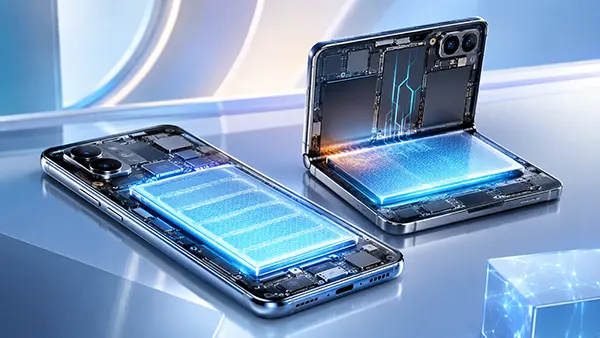
Smartphone buyers increasingly look for devices with replaceable batteries, modular components and accessible screws instead of heavy adhesive construction. This trend is particularly visible in mid-range devices, where brands compete not only through performance but also through ownership costs over several years. Repairability reduces the likelihood that a cracked screen or damaged charging port will force users to replace an entire device prematurely.
Laptops and gaming hardware are also affected by this transition. Devices with upgradeable RAM, replaceable SSDs and standardised internal layouts are gaining stronger reputations among users who want long-term value. Many consumers now see repair access as a sign of transparency and product confidence from manufacturers rather than merely a technical specification.
Right-to-Repair Regulations Continue to Influence Manufacturers
The European Union remains one of the strongest drivers behind repairability reforms in 2026. Updated ecodesign and right-to-repair requirements have pushed electronics manufacturers to guarantee access to replacement components for longer periods after product release. Several brands now advertise repair support duration directly on product pages alongside warranty information.
Independent repair shops have benefited from these changes because access to official diagnostic software and original parts has improved in several categories of electronics. Consumers are no longer fully dependent on expensive authorised repair centres for simple maintenance tasks. This has also contributed to a more competitive repair market with shorter waiting times and lower servicing costs.
Repairability ratings introduced in certain European countries continue to influence consumer behaviour. Buyers increasingly recognise that devices designed for maintenance often retain higher resale value. Second-hand electronics markets in 2026 are stronger partly because repair-friendly products remain usable for longer periods without severe degradation in performance or battery life.
Energy Efficiency Now Extends Beyond Battery Capacity
Energy efficiency in modern gadgets is no longer measured solely by how long a battery lasts between charges. Manufacturers now optimise processors, displays and operating systems to reduce overall energy consumption during daily use. Advances in chip architecture allow premium smartphones and laptops to deliver stronger performance while generating less heat and consuming less electricity.
Consumers have also become more aware of the long-term operating costs associated with electronics. High-performance gaming systems, monitors and home office equipment can significantly affect household electricity usage. As energy prices remain unstable in several countries, efficient hardware has become financially attractive alongside environmental considerations.
Display technologies have contributed heavily to these improvements. OLED and MicroLED panels in 2026 are more power efficient than earlier generations, particularly when adaptive refresh rate systems dynamically adjust performance according to content type. Devices now automatically optimise brightness and background activity more intelligently, reducing unnecessary power consumption without compromising usability.
Artificial Intelligence Improves Battery and Power Management
Artificial intelligence plays a larger role in device energy optimisation during 2026. Operating systems analyse user habits to reduce background processing, suspend rarely used applications and manage charging cycles more carefully. Smartphones can predict periods of inactivity and minimise power consumption automatically without requiring manual adjustments from users.
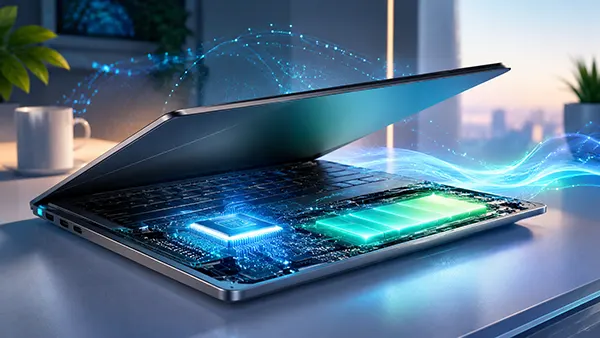
Laptop manufacturers have integrated AI-assisted thermal and battery management systems capable of balancing performance with efficiency in real time. These systems distribute workloads intelligently depending on the applications being used, helping extend battery lifespan while lowering heat generation. This reduces wear on internal components and contributes to longer product durability.
Charging technology has also become more sustainable. Many manufacturers now limit excessive fast charging speeds during overnight charging sessions to preserve battery health over multiple years. Users increasingly understand that maintaining battery capacity for longer periods is directly connected to reducing electronic waste and extending the usable lifespan of devices.

Material Choices Are Reshaping the Consumer Electronics Industry
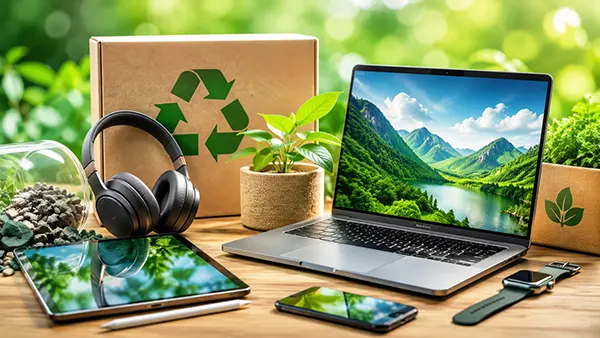
Material sourcing has become one of the most discussed sustainability issues in technology manufacturing. In 2026, several electronics companies actively promote the use of recycled aluminium, recycled plastics and responsibly sourced rare earth elements in their products. Consumers are paying closer attention to how devices are produced rather than focusing only on finished specifications.
Packaging has changed significantly as well. Plastic-free packaging solutions are now common among major smartphone, tablet and accessory manufacturers. Compact packaging design reduces shipping emissions and lowers transport costs while decreasing material waste. Although these adjustments may appear minor individually, they collectively contribute to reducing the environmental footprint of mass-produced electronics.
Durability also influences material discussions. Devices made from stronger aluminium alloys, reinforced glass and more resilient hinges tend to remain functional longer. Buyers increasingly recognise that a durable product often represents a more sustainable option than a cheaper device requiring replacement after only a few years of use.
Recycled Components and Circular Economy Models Expand Further
Technology companies in 2026 continue investing in circular economy initiatives aimed at reducing dependence on newly mined resources. Trade-in programmes have expanded globally, allowing manufacturers to recover valuable materials from old smartphones, tablets and laptops. Recovered cobalt, lithium and rare earth metals are increasingly reintroduced into new production cycles.
Some manufacturers now publish detailed sustainability reports explaining the percentage of recycled materials used in specific products. This level of transparency has become important for both consumers and regulators. Buyers interested in long-term sustainability often compare these figures alongside traditional hardware specifications before making purchasing decisions.
Refurbished electronics markets are also growing rapidly because consumers have become more comfortable purchasing professionally restored devices. Improved refurbishment standards, extended warranties and better battery replacement practices have increased confidence in second-hand technology. In many cases, refurbished premium devices offer longer practical value than lower-quality budget electronics produced with limited repair support.